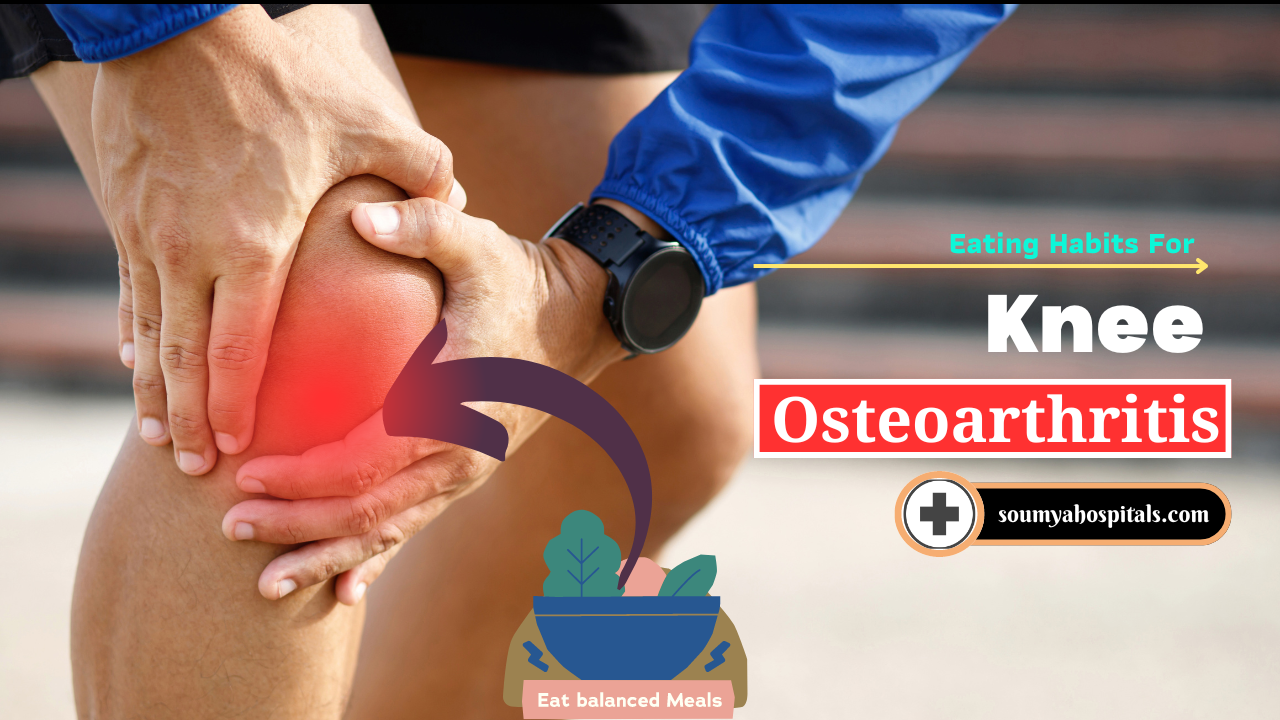
The slightest of stiffness in our joints can hamper our movement for the rest of the day. And, if you have osteoarthritis, this might be your reality.
Osteoarthritis is the most common form of arthritis. It causes pain, stiffness, and swelling in the joints that could eventually lead to disability. And, the most common victims of this health condition are the knees. Centers for Disease Control and Prevention. If you suffer from knee osteoarthritis, here are a few healthy eating habits that will help you deal with the condition better.
Also Read: Soumya hospital
1. Count Your Calories
Research states that an important step towards relieving knee pain and improving movement in the knees is to reduce the amount of weight they have to bear. Counting calories and cutting down can help you reduce your weight and take the pressure off your knees. “Osteoarthritis, obesity, and weight loss: evidence, hypotheses, and horizons–a scoping review.”
Obesity both triggers and worsens knee osteoarthritis. And, exercise can be a little difficult and not very effective when you’ve got a stiff knee. Hence, eat smaller portions, reduce your processed food intake, and avoid sugar to lose weight gradually. owers, MaryFran R., and Carrie A. Karvonen-Gutierrez. “The evolving role of obesity in knee osteoarthritis.”
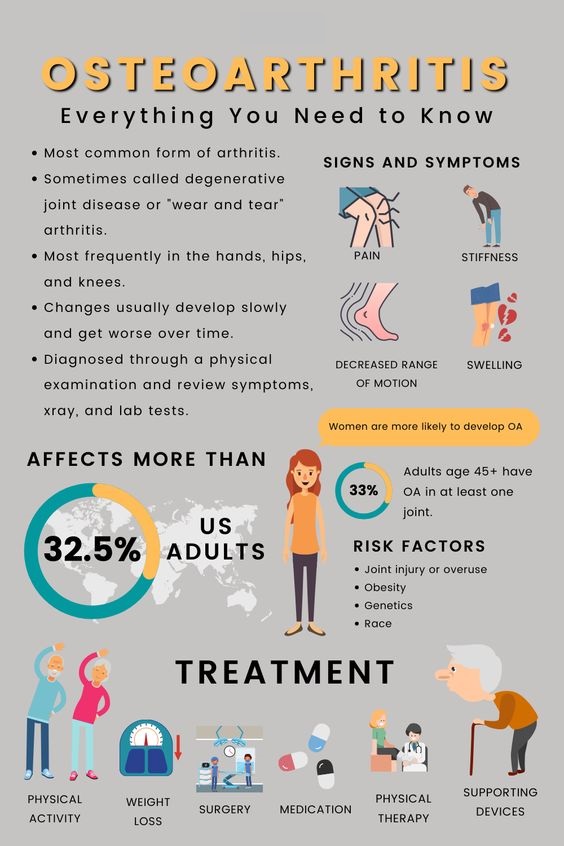
2. Watch Your Vitamin Intake
Vitamins C, D, K, and E don’t just boost your immunity and skin health. Studies state that antioxidants in vitamin C might prevent bone reduction and bone marrow lesions, two factors that contribute to knee osteoarthritis. Vitamin E, meanwhile, relieves oxidative stress, which aggravates knee osteoarthritis. Efficacy of vitamin E in knee osteoarthritis management of North Indian geriatric population. Additionally, studies indicate that vitamin D deficiency could worsen the symptoms of knee osteoarthritis. Furthermore, vitamin K is anti-inflammatory and is needed for the proper functioning of the bone and cartilage. “The role of vitamin K in chronic aging diseases: Inflammation, cardiovascular disease, and osteoarthritis.”
Good sources of vitamin C include oranges, berries, and red bell peppers, while good sources of vitamin E include almonds, spinach, sweet potato, and avocado. For vitamin D, load up on salmon and for vitamin K, load up on leafy vegetables. If you do choose to supplement instead, consult a professional regarding the proper dosage. “The effects of vitamin C supplementation on incident and progressive knee osteoarthritis: a longitudinal study.”
3. Eat Your Vegetables
Here’s another reason to add salads to your diet. Research states that certain vegetables including broccoli, cabbage, and Brussels sprouts contain sulforaphane, an anti-inflammatory compound that relieves pain and reduces stiffness. Additionally, it might protect the cartilage from damage.
“Sulforaphane Represses Matrix Degrading Proteases and Protects Cartilage From Destruction In Vitro and In Vivo.”
Additionally, glucosinolate, natural components of many pungent plants such as mustard, cabbage, and horseradish might also aid in providing relief from the symptoms of knee osteoarthritis. “Isothiocyanates are detected in human synovial fluid following broccoli consumption and can affect the tissues of the knee joint.”
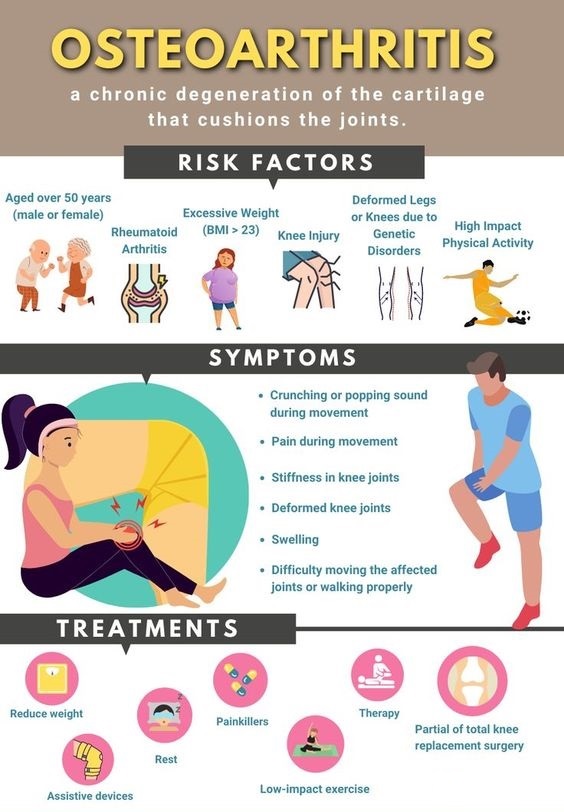
4. Cook With Olive Oil
Switch your regular sources of fat with olive oil. Research states that it has a phenolic compound called oleocanthal which reduces inflammation and pain in the joints, just like NSAIDs (nonsteroidal anti-inflammatory drugs). “Oleocanthal, a phenolic derived from virgin olive oil: a review of the beneficial effects on inflammatory disease.” Additionally, olive oil consists of omega-3 fatty acids, which reduce joint pain and stiffness. However, be sure to opt for high-quality olive oil that has a strong smell. “Regulation of osteoarthritis by omega-3 (n-3) polyunsaturated fatty acids in a naturally occurring model of disease.”
5. Pay Attention To Cooking Temperatures
Food, especially meat, that’s cooked in high temperatures tends to contain high levels of advanced glycation end products (AGEs). These products lead to increased oxidative stress and inflammation. “Advanced glycation end products in foods and a practical guide to their reduction in the diet.”
Research indicates that AGEs lead to cartilage stiffness and knee pain. “Advanced glycation endproducts and osteoarthritis.” So, be sure to cut back on microwaved, grilled, and fried food. Talk to a professional regarding your cooking habits if you’re unsure of them. Apart from adopting these habits, avoid processed food, fried food, and omega 6 fatty acids from egg yolks and red meat. New ways to beat osteoarthritis pain. Harvard Health Publishing. Doing so will help reduce pain and make getting through the day easier.