Important Tests during pregnancy help check the baby's growth and health, as well as the mother's well-being.
Pregnancy is an exciting time for many expectant mothers, it's also a challenging time for their mental health. As many as out of every three pregnant women will develop a depressive or anxiety disorder. Other women may experience panic attacks, obsessive-compulsive disorder or even eating disorders.
Here we are providing depressing screening tests that every pregnant women need to undergo to know the status of their mental health. And also know the reasons for why and how your mental health might change during pregnancy.
- Postpartum Depression Screening
- Signs and Symptoms of Depression During Pregnancy
- How Common is Depression During Pregnancy?
- Risk Factors for Depression During Pregnancy
- Why Does Depression During Pregnancy Often Go Unrecognized?
- Treatment for Depression During Pregnancy
- Recommendations for Depression Screening During Pregnancy
- What is the screening tool for maternal depression?
- How do you know if you're depressed while pregnant?
- What is the best screening test for depression?
Postpartum Depression Screening
Postpartum depression is a set of questions you need to answer. Your healthcare provider uses the screening test to help find out if you have developed depression related to having a baby.
Postpartum depression is different from baby blues. With the baby blues, you may feel sad, weepy or anxious starting about 3 days after childbirth. These feelings tend to come and go and usually get better within a week or two. However postpartum depression is a serious disorder that may last for months and may not get better without treatment.
Learn About: Non-Stress Test During Pregnancy
A postpartum depression screening helps to diagnose the condition so it can be treated early. And early treatment can help prevent long-lasting depression. Most people get better with medicine and talk therapy. In most serious cases, treatment may include brain stimulation therapies such as electroconvulsive therapy (ECT), also called shock therapy.
Signs and Symptoms of Depression During Pregnancy
The symptoms of depression during pregnancy are the same as those that occur with depression in common people. However, additional clues that might indicate depression during pregnancy as follows:
- Excessive anxiety about your baby
- Low self-esteem, such as feelings of inadequacy about parenthood
- Poor response to reassurance
- The inability to experience pleasure from activities usually found enjoyable
- Poor adherence to prenatal care
- Smoking, drinking alcohol or using illicit drugs
- Poor weight gain due to a decreased or inadequate diet
- Thoughts of suicide
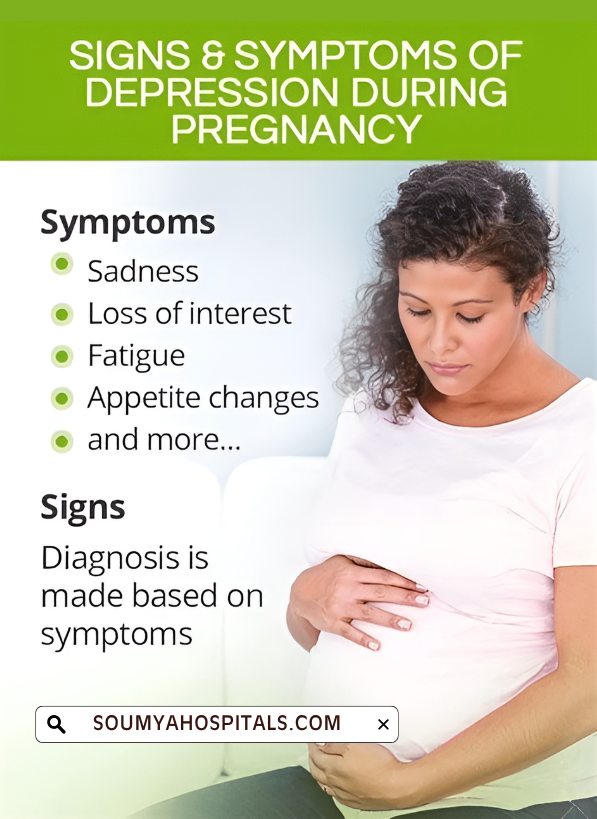
Researches suggest that depressive episodes occur more frequently during the first and third trimesters.
How Common is Depression During Pregnancy?
Pregnancy can be a time of joy and stress. Researchers said that about 7% of pregnant women experience depression during pregnancy. Rates might be higher in low and middle-income countries.
Depression, a psychological disorder that causes a persistent feeling of sadness and loss in interest, is the most common disorder in the general population. The condition occurs twice as often in women as in men, and the initial onset of depression goes peaks during women's reproductive years.
Risk Factors for Depression During Pregnancy
Some of the risk factors of depression during pregnancy are as follows:
- Anxiety
- Life Stress
- History of depression
- Poor social support
- Unintended pregnancy
- Intimate partner violence
Why Does Depression During Pregnancy Often Go Unrecognized?
Few symptoms of depression include changes in sleep, energy level, appetite and libido. As a result, your healthcare provider might attribute these symptoms to your pregnancy, rather than depression.
Women might also be reluctant to talk to their healthcare providers about changes in moods during pregnancy, due to the stigma associated with depression. There's also a tendency to focus more on women's physical health during pregnancy, rather than mental health.
Treatment for Depression During Pregnancy
If you have untreated depression, you might not seek optimal prenatal care, eat healthy foods. You are also at increased risk of postpartum depression and having difficulty bonding with your baby.
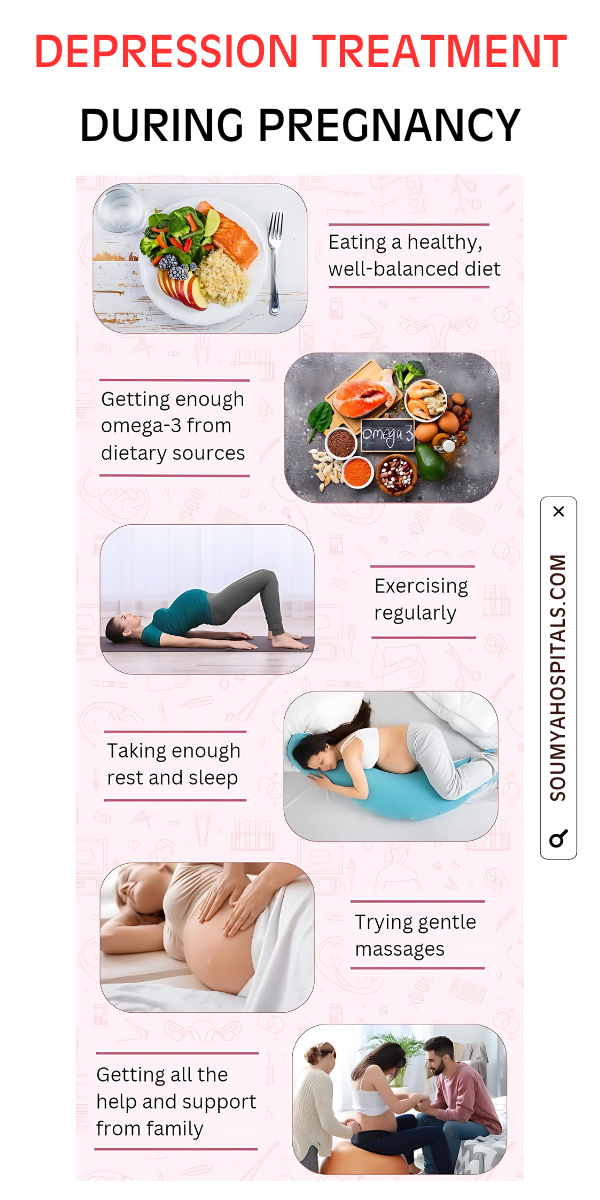
Based on the severity of your depression, treatment options might include psychotherapy or antidepressants in addition to psychotherapy.
Recommendations for Depression Screening During Pregnancy
The American College of Obstetricians and Gynecologists recommends that healthcare providers screen for depression and anxiety using a standardised tool at least once during pregnancy. During depression screening, your healthcare provider will ask a few questions from a standardised screening questionnaire, which contains questions about mood and anxiety.
Your answers are recorded and your total score can be used to identify whether you have depression or not. Alternatively, your healthcare provider might ask if you, in the past month, you have bothered feeling down, depressed or hopeless or by having little interest in doing things.
There is limited evidence that screening to identify and treat depression during pregnancy improves outcomes. This might be due to variations in access to resources and appropriate treatment once depression has been diagnosed. However, screening for depression during pregnancy might provide some self-awareness of your risk of depression and anxiety.
If you think you might have depression during pregnancy, don't wait for a screening test. Talk to your healthcare provider about how you are feeling and work with them to know the next process.
FAQS on Depression Screening
1. What is the screening tool for maternal depression?
The screening tool to detect maternal depression is the Edinburgh Postnatal Depression Screen (EPDS) or Patient Health Questionnaire (PHQ-9).
2. How do you know if you're depressed while pregnant?
The symptoms of depression during pregnancy are anxiety, worrying and irrational thoughts. Changes in appetite and unexplained weight loss or weight gain.
3. What is the best screening test for depression?
The best screening test for detecting depression is the Beck Depression Inventory (BDI). The BDI contains 21 items of emotional, behavioral, and somatic symptoms that take 5 to 10 minutes to examine.
Conclusion
We are expecting that the data mentioned here about Depression Screening will be useful for you. If you notice any symptoms of depression, discuss with your healthcare provider for immediate treatment. Get to know about more pregnancy-related issues on this website.